Popup shops are a key way to stand out in a crowded marketplace, letting you showcase products in a creative, fresh environment. But having a solid popup shop marketing strategy is key, or else you risk wasting time and money on your efforts.
With 51% of brands planning to increase their experiential marketing investment from 2024 through 2026, the pressure to prove return on investment (ROI) is high.
Whether you're a seasoned retailer, a new entrepreneur, or an ecommerce shop owner trying brick-and-mortar for the first time, this guide is for you. Learn the popup shop marketing strategies that increase foot traffic and sales, ensuring your investment pays off at your next popup event.
What is popup shop marketing?
A popup shop (also known as flash retail) is a physical retail space that’s set up temporarily. Its lifespan could be anywhere from a few days to a few months, depending on your goals and budget.
Since a popup is only open briefly, popup shop marketing differs from other ways you market your brand. Some long-term digital marketing tactics tend to make less sense for popups, while tactics like outdoor advertising and local marketing pack more of a punch.
Whichever tactics you choose, your popup shop marketing strategy should involve a plan for three stages of the popup: pre-launch, during the popup event, and post-event.
Why is marketing your popup shop important?
Due to the fleeting nature of a popup, it’s crucial to establish a memorable, one-of-a-kind shopping experience that people will want to be a part of and spread the word about—quickly.
That’s why your popup shop marketing strategy is so important: You have only a brief period of time to drive traffic, convert customers, and create a lasting impression of your brand.
Your popup shop marketing strategy is important for:
- Driving buzzy awareness and foot traffic to the popup shop, so you have more opportunities to convert and connect with customers
- Building a memorable customer experience at the popup through things like Instagrammable moments and exclusive product promotions, encouraging visitors to purchase more and make user-generated content (UGC) that builds brand awareness via word of mouth
- Capturing visitors via your email list and social media, so their engagement with your brand doesn’t end when your popup closes
When you build a strategy that focuses on all of these elements, you’ll set yourself up for success before, during, and after your popup event.
Phase 1: Planning your popup marketing strategy
Before you get caught up in the excitement of scouting locations and designing the perfect selfie wall, pause. A popup is a high-stakes marketing event, so you want to strategize thoroughly before jumping in.
Popup planning checklist
- Primary goal: _________________ (e.g., brand loyalty, revenue, reach)
- Target audience: _______________(e.g., local Gen Z, tourists, value shoppers)
- Ideal location type: ___________(e.g., near superstore, high-foot-traffic street)
- Total budget: $_________
- Primary KPI for success: ___________(e.g., opt-in rate, onsite conversion)
Define your primary goal
Before you do anything else, define your primary goal. Is this for market-testing a new product or for evaluating whether a new neighborhood is a good fit? Is it purely about sales, or is your primary goal building brand loyalty?
Some 43% of brands running in-person events say loyalty is their main goal with experiential marketing, but for many of those brands, the metrics they measure don’t reflect that goal. Instead, when they measure success with metrics like attendance (44%) or ticket sales (46%), that’s just counting bodies—it doesn't tell you if you’ve built a lasting relationship or just given away free tote bags. Aim higher with your popup shop goal and set key performance indicators (KPIs) accordingly.
Customers are still showing up in person, as overall retail visits climbed 0.4% YoY in 2024, so consider taking advantage of that opportunity with your primary popup shop goal. Chat with shoppers, make a connection, and gather their information. This will help you build a unified customer profile for personalized marketing in the future.
Identify the location of your target audience
Popups aren’t a “build it and hope they come” kind of event. Go where your target audience already is.
The latest foot traffic data shows that growth isn't so uniform. It's concentrated around discount and dollar stores (+2.8% YoY) and superstores (+1.7% YoY). If your assortment is value-driven, setting up shop near one of these high-traffic hubs is a brilliant discovery tactic.
On a macro level, some regions are just hotter than others. In 2024, states like Maine (+2.2%) and North Dakota (+2.0%) were outpacing the national average in visit growth. Use local mobility data to find similar pockets of opportunity for your brand.
Now, for the market reality check: finding a good spot is hard and expensive. Retail space is incredibly tight, and that's not changing in 2026. Options are limited, costs are high, and landlords have the leverage, so start scouting early and have a Plan B (and Plan C) for your location.
📚 Read: 21 Pop-Up Shop Ideas & Examples
Set a realistic budget
That tight supply is going to hit your wallet. Rents are elevated, averaging $34.47 per square foot in late 2024, and you'll have less room to negotiate.
With very little new retail space available, don’t expect a last-minute deal. Here’s what that means for your budget:
- Build in a 10%–15% contingency. You will have surprises, whether in rent, build-out, or staffing. Plan for them.
- Benchmark your spend. For context, major brands often invest between $500,000 and $1 million on their entire annual experiential program. Scale your single popup budget in proportion to that.
- Be realistic about your return on investment. The retail market is healthy, but a popup is not a guaranteed gold rush. Balance your ambitious traffic goals with conservative conversion math.
Choose your key performance indicators
As with any marketing tactic, what can’t be measured, can’t be improved. Make sure you set your KPIs accordingly. With popups, there are a few different areas to measure success.
If your goal is loyalty:
- Opt-in capture rate: How many emails or SMS signups did you earn per attendee?
- Post-event NPS or satisfaction: Ask attendees their intent to repurchase after they've left.
- Repeat visit rate / Reengagement: Did they come back? Did they use their popup-exclusive promo code to purchase something online a week later?
If your goal is revenue:
- Onsite conversion rate and average order value (AOV): Are people buying, and are they buying more? What’s their average order value compared to your online store’s AOV?
- Event ROI: A simple metric to track—did you earn more than you spent?
- Attribution lift: This is the pro-level metric. Did your popup drive a measurable sales lift (online and in-store) in the surrounding zip codes?
If your goal is reach and awareness:
- Qualified attendance: How many visitors fit your ideal customer profile (ICP)?
- Impressions from UGC and PR: Did the popup event generate its own buzz via customer-generated content and news outlets?
Phase 2: Prelaunch promotion to build hype
Create a Facebook event
Facebook events are a great way to not only keep the popup top of mind but also to share important updates and—you guessed it—the location of the popup.
When you create an event on Facebook, you can list the location of the popup event. If your popup is at an established business, landmark, or other location, you’ll often be able to simply type that in as the location.

Not holding your popup at an established or well-known location? Or maybe the location is very large, making it hard to pinpoint where your popup shop is? When you enter the coordinates in your popup event listing, Facebook users can tap on the address and be taken to navigation assistance.
Involve local media and influencers
Create a list of the key local influencers, bloggers, and digital creatorsthat best represent your vertical in the local community, and reach out to them. Make sure to highlight different incentives for them to get involved. For example, you could set aside some budget to offer free products in advance of your popup launch, or offer them an exclusive discount code to share with their audience.
Some tips for getting local PR:
- Understand who you’re pitching and what their needs are. There’s nothing wrong with using a template, but you’ll still have to customize it to elicit a good response rate.
- Give the media enough advance warning about your popup event to leave them time to do a story. Aim for two to three months before launch for local print, and at least two weeks for online media.
- Keep your media pitch short and simple. Be considerate, and make sure all of the important information about your popup event is prominent and easy to find in your message.
- Open your popup shop on a high note. Consider throwing a launch party and inviting an exclusive list of who’s who in your local region. For example, when apparel brand Kith opened a popup in Paris during the Paris Olympics, it had a fantastic turnout and received great coverage from influential local blogs frequented by their target demographic.
Run geo-targeted social media ads
Use paid media to pull nearby traffic in your direction. Meta is a good starting point. The platform lets you target people living in a certain location, as well as people who recently visited a location. Target a one- to three-mile radius around your shop. Split your ad sets between two groups like local residents and tourists visiting nearby, and include a “stop by while you’re here” incentive.
You can set similar parameters on Google with Performance Max campaigns. These automatically optimize your ads for actions like store visits, calls, and requests for directions. Suddenly, your popup is showing up on Google Maps, YouTube, and in search results right when someone nearby is looking for what you sell.
Makeup brand Glossier ran a brilliant geo-gated city campaign using the Shop app to release their Boy Brow Arch product. The brand put up shoppable posters in NYC, Los Angeles, and Chicago that only unlocked early access for people physically in those locations. It turned out to be the perfect blend—an IRL, exclusive discovery moment that drives a location-aware digital conversion.
💡 Pro tip: Use Shopify’s Google channel to manage your Google Merchant Center, Google Business Profile, and Google Ads accounts from Shopify’s back office. Get all the perks of marketing your business on Google without jumping between accounts.
Leverage co-marketing with nearby businesses
Shopping locally is an economic force. In 2024 alone, Small Business Saturday drove an estimated $22 billion in spending. With popups, you're dropping into an existing neighborhood, and your biggest marketing assets might be the cool coffee shop, fitness studio, or boutique next door.
Find a complementary, walkable partner and create a shared offer. Maybe if your shoppers purchase a drink at the neighboring coffee shop, they can get 10% off at your popup store. Then, blast this partner offer to your email lists and social marketing channels—and make sure your brand partner agrees to do the same to their audience.
You could also go one step further and co-host a launch event. Get it cross-listed on both of your channels and on local event calendars like local magazines, newspapers, or blogs. You can track the lift by offering a unique QR code at your checkout or just by watching your store-visit reports in Google.
🥇 Put in practice: Rothy’s launched a successful retail partnership with the NYC bakery From Lucie for a two-day popup inside Rothy’s Williamsburg store. The bakery served special slices inspired by Rothy’s new ReVelvet collection. It was a fabulous experience that gave shoppers from both brands a compelling reason to show up, driving foot traffic right to the register.
Use signage and visual cues to build anticipation
First and foremost, you’ll want to make sure there are ample visual cues at your actual popup. This includes your storefront, window displays, signage, and sidewalk sandwich boards. You can also create temporary chalk art leading pedestrians to your popup with messages and directional signage written in chalk. (Just make sure this is allowed at your location first.)
Evelyn & Bobbie painted the outside of the building for their popup with an eye-catching, branded design to help the popup stand out against the surrounding businesses.

Popup shop marketing can—and should—get more creative than traditional brick-and-mortar store strategies. Remember, a popup is an event, not a typical retail experience. It should be presented as such, particularly if it is a holiday popup shop.
“Though at first blush it seems counter-intuitive, a popup should look exactly like a popup. It should feel temporary,” says Christian Gilbert, senior vice president at brand experience agency MC2. “Passersby should know instantly that it’s different from other shops—that it will go away, and they’d better check it out now.”
Inflatable signage, cubes, marquees, and even logos can help shoppers spot your popup from afar.
“Brands with a healthy budget could take inspiration from Samsung at Americana in LA,” Christian says. “Every car entering the parking garage was presented with a gigantic wall mural advertising the [popup].” This spread awareness about the popup event for individuals who parked at the garage for other reasons.
Phase 3: Marketing during your popup to drive customer engagement
Create Instagrammable moments and encourage UGC
Create moments around your store that make customers want to take a picture or a video and share it online. In other words, you have to make your store Instagrammable. This could mean a selfie wall, a personalization of the product, or funny signage that people want to share and remember.
You want customers taking pictures around the store and posting them online, since you’ll benefit from the free advertising and positive word of mouth. You can even gamify it with giveaways or contests to incentivize sharing.
Taking it a step further, encourage Instagram influencers and TikTok creators to create and share content while at your popup. This will help you build a community around your brand—and bring their fanbase to your popup and/or website as well.
💡 Pro tip: A viral Reel is temporary; a new email subscriber is an asset. Tie your UGC capture to first-party data collection. Use a QR code that leads to a signup page, or give out unique discount codes.
Use wayfinding assistants to capture foot traffic
People are already walking by your popup, heads down, staring at their phones. They are trying to find you. Google Maps is constantly upgrading its Live View and indoor navigation, especially for tricky spots like malls and transit hubs.
But don't just rely on a digital pin. Deploy wayfinding assistants—a friendly street team—and use bold sidewalk or popup venue signage that guides people in.
Roody, which sells custom products like ugly Christmas sweaters, has used this very tactic. The brand has successfully opened eight seasonal popup shops, timed for when their products are in demand. Promotional staff donning ugly sweaters stand outside and give away chocolates.
“While we didn’t ask passersby for anything or even mention the shop unless they asked, we always got an uplift in customers when out on the street,” says CEO and founder Ross Culliton.
One of Roody Originals’ popups was at an upstairs space, which had the potential to deter foot traffic. As a solution, Ross hired a band to play out the window.
“Crowds gathered on the street to look, and passersby came up to check out what was happening,” he says. The band indirectly helped shoppers identify where the action was at.
Offer popup-event-exclusive promotions and products
Why should a customer come to your popup today instead of just ordering online? The answer has to be exclusivity.
In 2024, 89% of shoppers ranked exclusive offers and discounts as the most engaging content they get in their email. This is also your loyalty play. Shoppers in 2025 crave VIP status, and their favorite perks are early access to sales (46.4%) and early access to new products (31.8%), according to Yotpo’s latest poll.
So, give it to them. Drop a limited-run colorway or product bundle that is only available at the popup. Then, use that loyalty data to give your existing VIPs early access via text and email to drive that line-around-the-block moment and all the UGC that comes with it.
Capture customer information with your POS
Capturing consented, first-party data onsite is how you compound your ROI long after the popup event is over. This is simple with Shopify POS Pro.
You can configure your checkout to require or collect customer details, capturing email and SMS consent right on the spot. Your associates can create or edit customer profiles live and set marketing opt-ins in seconds.
💡 Pro tip: Sending digital receipts via email is a great way to organically collect customer contact information at checkout and build an email list to fuel your retention marketing. Just make sure they’ve opted in to hearing from you before sending them anything.
Phase 4: Post-event marketing to build loyalty
Leverage user-generated content from the popup event
Your customers are now your field marketing team, and they're ready to post. Don't let that momentum die.
YouTube’s 2024 trends report highlights that audiences now expect to participate by creating content, especially with easy tools like Shorts. TikTok’s 2025 What’s Next report cites similar movements, dubbed Brand Chem, where brands are joining forces with creators and communities to build content that drives impact.
Here’s how to capitalize on that momentum:
- Run a UGC Relay: Day 0 is for capture. Day 1 is for reposting your favorite customer content. Day 2 is your official recap Reel or TikTok, using the best clips.
- Make it permanent: Save the best video clips to a UGC gallery on your site or social media highlights as long-term social proof.
- Tie buzz to retention: Every single recap post, every repost, every Story—it all needs a clear call to action (CTA). Use a link in bio that drives to your email signup or a "Thanks for coming" offer.
💡 Pro Tip: Browse the Shopify App Store for the best UGC apps. You can find apps that make it easier to capture customer content and turn it into shoppable videos on your channels.
Nurture leads with targeted email and social campaigns
That list of emails and phone numbers you collected at the POS? That's the silent ROI.
Run a three-message sequence within the first seven days, while memories are fresh:
- The “thank you” with a link to the photo gallery or UGC reel
- The insider tip with a “how-to” guide relevant to the popup event, or the story behind the exclusive product you offered
- The follow-up offer with a limited-time promo code
That list, along with any other customer data collected during the popup event, can also influence your ad strategy. For example, you can upload your list and let Shopify Audiences use its network-wide commerce insights to build a high-performing lookalike audience. Your audience will be built on actual buying behavior from millions of insights, which can cut customer acquisition costs (CAC) by up to 50%.
For any attendees who gave you an email but didn't buy, use them as a base for a Retargeting Boost list. These lists are proven to drive up to two times more retargeting conversions by finding the people most likely to convert.
Analyze your results and plan for the future
Prove your popup worked and secure a budget for the next one by conducting a proper postmortem. Basically, analyze the heck out of your popup event.
Check your Shopify Analytics in three key places:
- POS analytics: What were your daily sales, AOV, and items-per-order at that location?
- Marketing reports: Which channel (email, SMS, social media) drove the most post-event conversions?
- Customer cohort analysis: How did your Popup attendee cohort perform on repeat purchases at 30 or 60 days versus your standard online-acquired cohort?
Use the data to improve your next popup. For example, if your post-event conversion rate was high but your 60-day cohort repeat rate was low, you likely have a nurture problem, not an acquisition problem. Next time, you'll shift the budget from pre-event awareness to your post-event email flow.
Get started: Popup shop marketing
Now that you know popup shop marketing offers a versatile and dynamic approach to retail that can help take your business to the next level, it’s time to introduce your brand to a wider audience, test new markets, and create an unforgettable shopping experience for your customers.
Which tactics will you employ to increase awareness and attendance to your popup? How will you make sure shoppers don’t get lost on the way? How will you keep customers coming back to your brand even after the popup event ends?
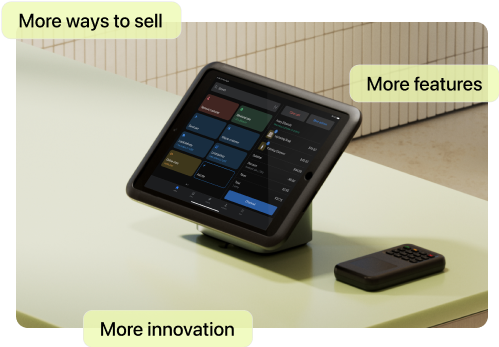
Whatever your popup shop marketing strategy will be, every successful popup shop has a point of sale, like Shopify POS. Equipped with comprehensive useful features, you’ll be able to accept in-person payments wherever you sell, track inventory across channels, and keep in touch with customers well after your popup shop has closed its doors.
Additional research and content from Alexis Damen.
Popup shop marketing FAQ
How do you market a popup shop?
There are a few ways to market a popup shop. One way is to use social media to create a buzz and get people talking about the shop. Another way is to partner with other businesses in the area to help promote the shop. You can also use traditional marketing techniques like print or radio ads to draw attention to the shop.
What kind of marketing is popup shops?
Popup shops are a form of temporary retailing. They are typically found in high foot traffic areas, such as busy downtown districts or in malls. Popup shops can be used to test a new product or brand, to generate buzz for a new product launch, or to create a temporary retail experience for customers.
How do I get my popup shop to stand out?
There are a few things you can do to make your popup shop stand out. One is to choose a unique location. Another is to offer unique products or services that are not easily found elsewhere. You can also use creative hyperlocal marketing techniques to attract attention to your shop.
What is popup store concept?
A popup store is a temporary retail store that is typically used to promote a new product or brand. Popup stores are often found in high-traffic areas, such as shopping malls or busy downtown streets. They are also common at trade shows and conventions.
Do you need planning permission for a popup shop?
It depends on where and how you set up the shop. If you move into an existing unit that is already approved or zoned for retail, you often won't need new "planning" permission for the use itself. However, you will almost always need temporary permits if you are erecting a new structure, using land that isn't already zoned for retail, trading in a public space, serving food, or putting up new signage.